
How Distance Education is Changing Access to Quality Education
Distance education is revolutionizing access to quality learning by breaking down barriers and providing flexibility and affordability. It empowers underserved communities, fosters global connections, and enhances individualized learning experiences. By embracing technology, it democratizes education, preparing diverse learners for success in an increasingly competitive world.

Technologies Revolutionizing Financial Education in Schools
Financial literacy is essential for students, and technology is transforming how it is taught in schools. Online platforms, simulation tools, mobile apps, and immersive experiences engage learners, making financial education more accessible and practical. This innovative approach equips students with crucial skills for navigating their financial futures confidently.

How Unemployment Affects the Economy and Consumer Behavior
Unemployment significantly affects both the economy and consumer behavior. Job losses lead to reduced spending, decreased consumer confidence, and shifts in purchasing habits, creating a cycle that hinders economic recovery. Addressing unemployment is essential for fostering economic stability and addressing social inequalities.

The role of public debt in the economy and its impacts on the market
Public debt is vital for economic management, stimulating growth through funding for infrastructure and services. While it can boost economic activity, excessive borrowing risks higher interest rates and inflation. Effective management is crucial to balance growth opportunities with potential financial instability, impacting market confidence and future taxpayer burdens.

Why tracking GDP is important even for non-investors
Understanding GDP is crucial for everyone, not just investors. It influences economic health, job opportunities, and government policies, affecting personal finances, career choices, and overall quality of life. By tracking GDP trends, individuals can make informed decisions about budgeting, job security, and significant investments.
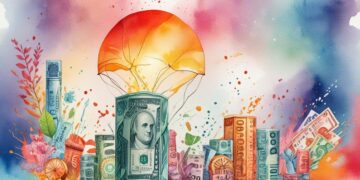
How exchange rates affect the prices of the products you consume
Exchange rates significantly influence consumer prices, affecting everything from imported goods to domestic products. Understanding how currency fluctuations impact daily expenses helps consumers make informed purchasing decisions, adapt their shopping habits, and manage their budgets more effectively amid a dynamic economic landscape.

What is deflation and how can it affect your investments
Deflation, characterized by falling prices, can create economic challenges for consumers and investors alike. Understanding its impacts on spending, debt, and asset values is crucial for adapting investment strategies. By focusing on resilient sectors, diversifying portfolios, and monitoring key economic indicators, investors can navigate these turbulent conditions effectively.

How Central Bank Decisions Impact Your Bank Account
Central banks, like the Federal Reserve, significantly influence your finances through interest rate adjustments and inflation control. Their decisions affect savings returns, borrowing costs, and overall economic stability. Staying informed about these changes can help you make better financial choices and adapt your budgeting strategies effectively.

The relationship between fiscal policy and everyday economics
Fiscal policy directly impacts everyday economics by influencing taxation, public services, and employment opportunities. Understanding these effects helps individuals make informed financial decisions, adapt their spending habits, and navigate economic changes, ultimately supporting their financial well-being in an ever-evolving economic landscape.
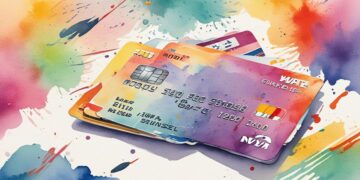
How to Avoid Hidden Fee Traps in Credit Card Agreements
Credit card agreements often contain hidden fees that can affect your finances. By understanding common charges such as annual fees, foreign transaction fees, and late payment fees, you can make informed choices. Proactive management and careful review of agreements can help you avoid financial surprises and maximize credit card benefits.