
The impact of inflation on the domestic economy of Americans
Inflation significantly affects the domestic economy of Americans, decreasing purchasing power and increasing living costs. Households grapple with higher prices and borrowing rates, impacting savings and consumer confidence. Businesses face rising production costs, while government intervention aims to stabilize the economy amidst these challenges, highlighting the need for adaptability.

Economic Impacts of the Transition to Remote Work in American Cities
The transition to remote work has significantly impacted American cities, reshaping workforce distribution, real estate trends, and consumer spending. As urban areas adapt to this new economic reality, challenges such as equity in broadband access and sustainability emerge, presenting both opportunities and obstacles for future urban development.

Economic Inequality: Challenges and Solutions for the American Middle Class
Economic inequality is a pressing issue in America, significantly affecting the middle class. Contributing factors include wage stagnation, job displacement due to technology, and limited access to affordable education. A multifaceted approach involving policy reforms, job training, and educational initiatives is essential to restore financial stability and opportunity for this vital demographic.

The evolution of cryptocurrencies and their role in the American economy
The evolution of cryptocurrencies has significantly impacted the American economy, transitioning from niche technology to mainstream financial assets. Institutional adoption, regulatory developments, and enhancing payment integrations are shaping their future, promising both opportunities and challenges for consumers as digital currencies become essential in financial transactions and investment strategies.

The role of fintechs in the democratization of access to credit in the USA
Fintech companies are revolutionizing access to credit in the USA by enhancing inclusivity, efficiency, and transparency. They empower underserved populations, particularly minorities and younger generations, by providing innovative financial solutions and alternative credit assessments, ultimately fostering a more equitable and democratized financial landscape.

How Fiscal Policy Influences Economic Recovery Post-Pandemic
Fiscal policy has played a critical role in shaping economic recovery post-pandemic, providing immediate relief through stimulus payments and unemployment benefits. These measures not only stabilized households but also revitalized consumer spending and supported business continuity, laying a foundation for sustainable growth and resilience in the economy's future.

Apply for the Capital One Venture X Credit Card Step-by-Step Guide
The Capital One Venture X Credit Card offers 2X miles on every purchase, a substantial sign-up bonus, annual travel credits, and lounge access. With no foreign transaction fees, it’s ideal for international use. Comprehensive travel insurance and protection add further value for frequent travelers.
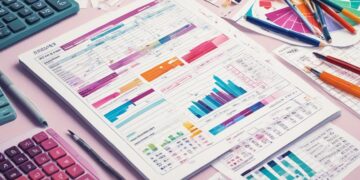
How to create a simple and efficient financial control spreadsheet
This guide outlines how to create a straightforward financial control spreadsheet to enhance your money management. It offers practical steps for tracking income and expenses, setting budgets, analyzing spending habits, and adjusting financial goals for improved clarity and control over your financial situation. Start building your financial confidence today.
Tips for organizing finances before having children
Preparing for parenthood involves crucial financial planning. By creating a budget, building an emergency fund, reviewing insurance, and considering future expenses, you can ensure stability. Open communication with your partner and assessing childcare options further enhance readiness, fostering a secure environment for your growing family.

How to plan a trip using credit card points
Learn how to turn everyday spending into unforgettable travel experiences by maximizing credit card points. Discover smart strategies for accumulation, redemption, and planning, ensuring your dream trips are both exciting and budget-friendly while unlocking exclusive perks along the way. Happy travels await!