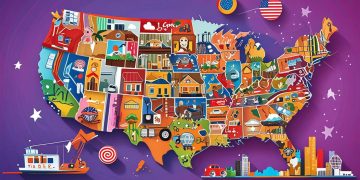
The effect of globalization on small businesses in the United States
Globalization profoundly impacts small businesses in the United States, presenting opportunities such as access to international markets and resources while introducing challenges like increased competition and complex regulations. By embracing digital marketing and adapting their unique identities, small enterprises can thrive in the global economy, driving innovation and growth.

The impact of inflation on the domestic economy of Americans
Inflation significantly affects the domestic economy of Americans, decreasing purchasing power and increasing living costs. Households grapple with higher prices and borrowing rates, impacting savings and consumer confidence. Businesses face rising production costs, while government intervention aims to stabilize the economy amidst these challenges, highlighting the need for adaptability.

Economic Impacts of the Transition to Remote Work in American Cities
The transition to remote work has significantly impacted American cities, reshaping workforce distribution, real estate trends, and consumer spending. As urban areas adapt to this new economic reality, challenges such as equity in broadband access and sustainability emerge, presenting both opportunities and obstacles for future urban development.

Economic Inequality: Challenges and Solutions for the American Middle Class
Economic inequality is a pressing issue in America, significantly affecting the middle class. Contributing factors include wage stagnation, job displacement due to technology, and limited access to affordable education. A multifaceted approach involving policy reforms, job training, and educational initiatives is essential to restore financial stability and opportunity for this vital demographic.

The evolution of cryptocurrencies and their role in the American economy
The evolution of cryptocurrencies has significantly impacted the American economy, transitioning from niche technology to mainstream financial assets. Institutional adoption, regulatory developments, and enhancing payment integrations are shaping their future, promising both opportunities and challenges for consumers as digital currencies become essential in financial transactions and investment strategies.

The role of fintechs in the democratization of access to credit in the USA
Fintech companies are revolutionizing access to credit in the USA by enhancing inclusivity, efficiency, and transparency. They empower underserved populations, particularly minorities and younger generations, by providing innovative financial solutions and alternative credit assessments, ultimately fostering a more equitable and democratized financial landscape.

How Fiscal Policy Influences Economic Recovery Post-Pandemic
Fiscal policy has played a critical role in shaping economic recovery post-pandemic, providing immediate relief through stimulus payments and unemployment benefits. These measures not only stabilized households but also revitalized consumer spending and supported business continuity, laying a foundation for sustainable growth and resilience in the economy's future.
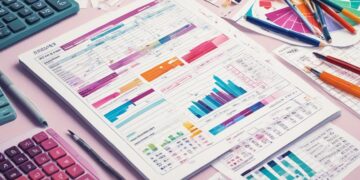
How to create a simple and efficient financial control spreadsheet
This guide outlines how to create a straightforward financial control spreadsheet to enhance your money management. It offers practical steps for tracking income and expenses, setting budgets, analyzing spending habits, and adjusting financial goals for improved clarity and control over your financial situation. Start building your financial confidence today.

How to Interpret Financial Reports of Companies Before Investing
Investing wisely requires a solid understanding of financial reports, including income statements, balance sheets, and cash flow statements. By analyzing these documents, investors can assess a company's profitability, solvency, and liquidity, enhancing their ability to make informed and strategic investment decisions. Knowledge empowers successful investing.

How Automated Investing Works Through Robo-Advisors
Automated investing through robo-advisors simplifies financial management by providing tailored portfolios based on individual goals and risk tolerance. Offering low fees, 24/7 accessibility, and automated features like tax-loss harvesting, these platforms democratize investing, making it suitable for both beginners and busy professionals aiming for financial empowerment.