
Sustainable Retirement Strategies: How to Incorporate Ecological Practices into Personal Finance
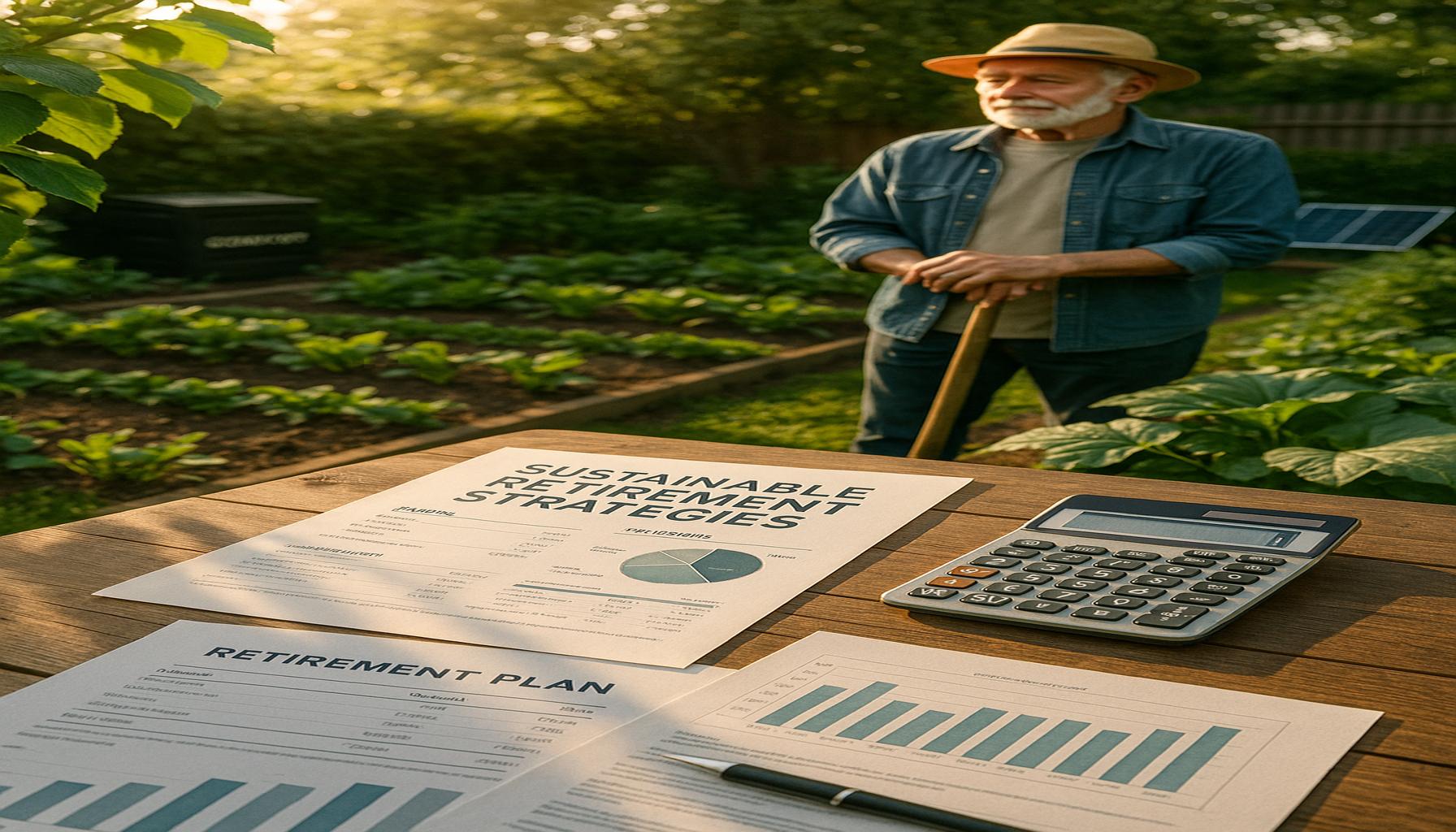
Embracing Sustainability in Retirement Planning
In an age where climate change and environmental degradation are pressing concerns, the integration of sustainability into retirement planning represents a thoughtful approach that benefits not only the individual but society as a whole. As New Zealanders, we are in a unique position with our rich natural resources and commitment to preserving our breathtaking landscapes. By aligning our financial strategies with sustainable practices, we can ensure a brighter future for ourselves and our planet.
Eco-Friendly Investments
One of the key components of a sustainable retirement strategy involves making eco-friendly investments. This means directing your retirement savings into investment funds that focus on companies producing renewable energy, such as wind and solar, or those engaging in sustainable agriculture practices. For instance, consider investing in New Zealand’s Hydrogen Economy or companies involved in carbon-neutral initiatives. Many KiwiSaver schemes now offer options that allow you to choose funds specifically targeting ethical companies. This way, your money not only grows but supports businesses dedicated to environmental stewardship.
Energy Efficiency
Implementing energy efficiency practices in your home is another vital aspect of sustainable retirement planning. By making your home more energy-efficient, you can lower your utility costs, which adds up significantly over the years. Simple improvements like installing LED lighting, using energy-efficient appliances, or enhancing insulation can reduce energy consumption. For example, the New Zealand government offers grants for home insulation or heat pump installations, which can significantly decrease your energy bills while providing a more comfortable living environment.
Responsible Consumption
Responsible consumption is about making choices that reflect your values over convenience. Aim to purchase products that are ethically sourced and environmentally friendly, such as organic food, eco-friendly cleaning supplies, and clothing made from sustainable materials. Supporting local artisans and businesses not only boosts the local economy but also reduces your carbon footprint by minimizing transportation needs. For instance, consider shopping at local farmers’ markets or participating in community-supported agriculture (CSA) programs, where you receive seasonal produce directly from local farms.
By integrating sustainability into your retirement planning, you are setting the stage for a financially secure future while also contributing to a more sustainable world. This dual focus not only supports your financial goals but also aligns with a lifestyle that prioritizes ecological integrity. Investing time and resources into sustainable practices today will lay a foundation for future generations, allowing them to inherit a healthier planet.
In the following sections, we will delve deeper into other sustainable strategies that can help you create a responsible financial framework for your retirement while maintaining a harmonious relationship with the environment. Together, let’s pave the way towards a fulfilling, eco-conscious retirement.
SEE ALSO: Click here to read another article
Integrating Sustainable Practices with Financial Goals
Building a sustainable future goes hand-in-hand with strategic financial planning, especially as you prepare for retirement. By incorporating ecological practices into your personal finance strategies, you can ensure that your golden years are not only financially secure but also environmentally friendly. There are several practical ways to achieve this integration, allowing you to enjoy the benefits of sustainability while bolstering your retirement savings.
Green Banking Options
One of the first steps to aligning your finances with sustainable practices is to consider using green banking options. Some financial institutions in New Zealand offer products specifically designed to support environmental initiatives. These banks may invest in renewable energy projects or provide competitively priced loans for sustainable home improvements. When selecting a bank or credit union, look for those with a commitment to corporate social responsibility (CSR) and those that publish sustainability reports detailing their environmental impact.
Creating an Eco-Conscious Budget
Another critical aspect of sustainable retirement planning is developing an eco-conscious budget. Being mindful of how you allocate your funds can make a significant impact on your environmental footprint. Here are some strategies to consider:
- Prioritize Local Products: Allocate your budget for purchasing locally sourced or organic products, which often have a lower carbon footprint and support local businesses.
- Reduce Waste: Identify areas where you can cut back on unnecessary purchases, particularly single-use items. Consider investing in reusable alternatives.
- Invest in Quality: Instead of frequently buying cheaper, lower-quality items, consider spending a bit more on durable goods that will last longer, reducing overall waste.
By focusing your budget on sustainable choices, not only do you contribute to a healthier environment, but you also foster habits that can lead to savings in the long run.
Planning for Sustainable Living Expenses
As you approach retirement, it’s essential to consider your living expenses with a sustainability lens. Evaluating where you live, how you travel, and what you consume can help you maintain an eco-friendly lifestyle while keeping your costs manageable. For example, consider the following:
- Location: Choose to downsize or relocate to a more energy-efficient home that requires less utility spending and encourages environmentally friendly practices.
- Transportation: Plan for sustainable transportation methods such as walking, cycling, or using public transport, which can significantly reduce your carbon footprint while saving money.
- Food Choices: Embrace a plant-based diet, which is not only beneficial for your health but also lessens the environmental impact associated with meat production.
Integrating these practices into your retirement planning not only enhances your financial stability but also demonstrates a commitment to a sustainable future. As you continue to align your finances with your values, you’ll find that the choices you make today can genuinely influence the legacy you leave behind.
SEE ALSO: Click here to read another article
Investing Sustainably for the Future
Your approach to investing also plays a crucial role in creating a sustainable retirement portfolio. As you consider your options, think about directing your investments towards companies that prioritize environmental, social, and governance (ESG) factors. This strategy not only aligns your financial goals with your values but can also lead to impressive returns as the market continues to favour sustainable practices.
Impact Investing
Impact investing is an excellent avenue for those wanting to make a difference while also securing their financial future. This involves investing in projects or companies that aim to generate a measurable, beneficial social or environmental impact alongside a financial return. For instance, you could invest in funds that focus on renewable energy, sustainable agriculture, or affordable housing. Here in New Zealand, there are various funds and initiatives directed at promoting sustainability, including the Green Investment Fund, which supports investments in green technologies.
Sustainable Exchange-Traded Funds (ETFs) and Mutual Funds
Another option is to invest in sustainable exchange-traded funds (ETFs) or mutual funds. These funds typically invest in a range of companies that meet specific sustainability criteria. By choosing these funds, you can effectively diversify your portfolio while focusing on environmentally friendly companies. Be sure to research and select funds based on their performance, fees, and the specific sustainability criteria they emphasize. Many KiwiSaver funds now offer sustainable options, allowing you to align your retirement savings with your ecological values.
Regularly Reviewing and Adjusting Your Portfolio
An essential part of a sustainable investment strategy is the ongoing review of your portfolio. As market conditions change and new companies emerge that offer sustainable solutions, it is vital to stay proactive in adjusting your investments. Set aside time at least once a year to evaluate your investment choices, ensuring they align with your sustainability goals and financial needs. You may also wish to consult with a financial advisor who specializes in sustainable investing to gain insights on the best options tailored to your retirement plans.
Supporting Local and Community Initiatives
In addition to formal investments, consider supporting local initiatives that promote sustainability within your community. This could involve backing community gardens, participating in local conservation efforts, or investing in businesses that are committed to eco-friendly practices. Not only does this contribute to your community’s well-being, but it can also provide a sense of connection and fulfillment during your retirement years. Look for cooperative models or local ventures that emphasize sustainability, as these may offer unique investment opportunities that you can be proud to be a part of.
Adopting these sustainable investing practices can significantly enhance your financial readiness for retirement while promoting an eco-friendly mindset. By consciously aligning your investment strategies with your environmental values, you can ensure that your golden years are not only financially secure but also contribute positively to the world around you.
SEE ALSO: Click here to read another article
Conclusion
Incorporating sustainable practices into your retirement strategy isn’t just a trend; it’s a proactive approach that benefits both your financial future and the planet. By aligning your investment strategies with your environmental values, you can create a retirement portfolio that not only aims for financial growth but also supports initiatives that contribute positively to society and the environment. This means actively seeking opportunities in impact investing, sustainable ETFs, and community initiatives that reinforce your commitment to sustainability.
As you plan for your retirement, remember to review your portfolio regularly to ensure that it remains aligned with your sustainability goals. The financial landscape is ever-changing, and staying informed will empower you to make adjustments that optimize both your returns and ecological impact. Consulting with specialists in sustainable investing can provide invaluable insights tailored to your unique situation, adding confidence to your financial journey.
At its core, sustainable retirement planning is about more than just securing your financial future. It’s an opportunity to leave a legacy that reflects your values and positively influences future generations. By embracing ecological practices in your personal finance, you not only pave the way for a comfortable retirement but also make a meaningful contribution to a more sustainable and resilient world. This combined approach to financial planning will not only yield dividends for you but also foster a healthier planet for all.

Linda Carter
Linda Carter is a writer and financial consultant specializing in economics, personal finance, and investment strategies. With years of experience helping individuals and businesses make complex financial decisions, Linda provides practical analyses and guidance on the Viajante Curioso platform. Her goal is to empower readers with the knowledge needed to achieve financial success.