
Credit Cards and Sustainability: Environmental Impact and Ecological Initiatives
The Growing Need for Sustainable Financial Practices
As society grapples with the reality of climate change and environmental degradation, individuals and businesses alike seek to embrace practices that promote sustainability. Within this context, the credit card industry is undergoing a transformation to become more environmentally responsible. The demand for sustainable financial options is not only a reaction to consumer pressure but also reflects a broader commitment to ensuring a healthier planet for future generations.
The production and use of traditional credit cards contribute significantly to environmental harm. The manufacturing processes often involve substantial resource consumption, requiring materials derived from fossil fuels. Furthermore, the prevalent use of plastic in credit cards contributes to pollution, as many cards end up in landfills where they can take hundreds of years to break down. Additionally, the carbon emissions generated throughout the transportation and distribution of these cards further amplify their environmental footprint.
Innovative Eco-Friendly Solutions
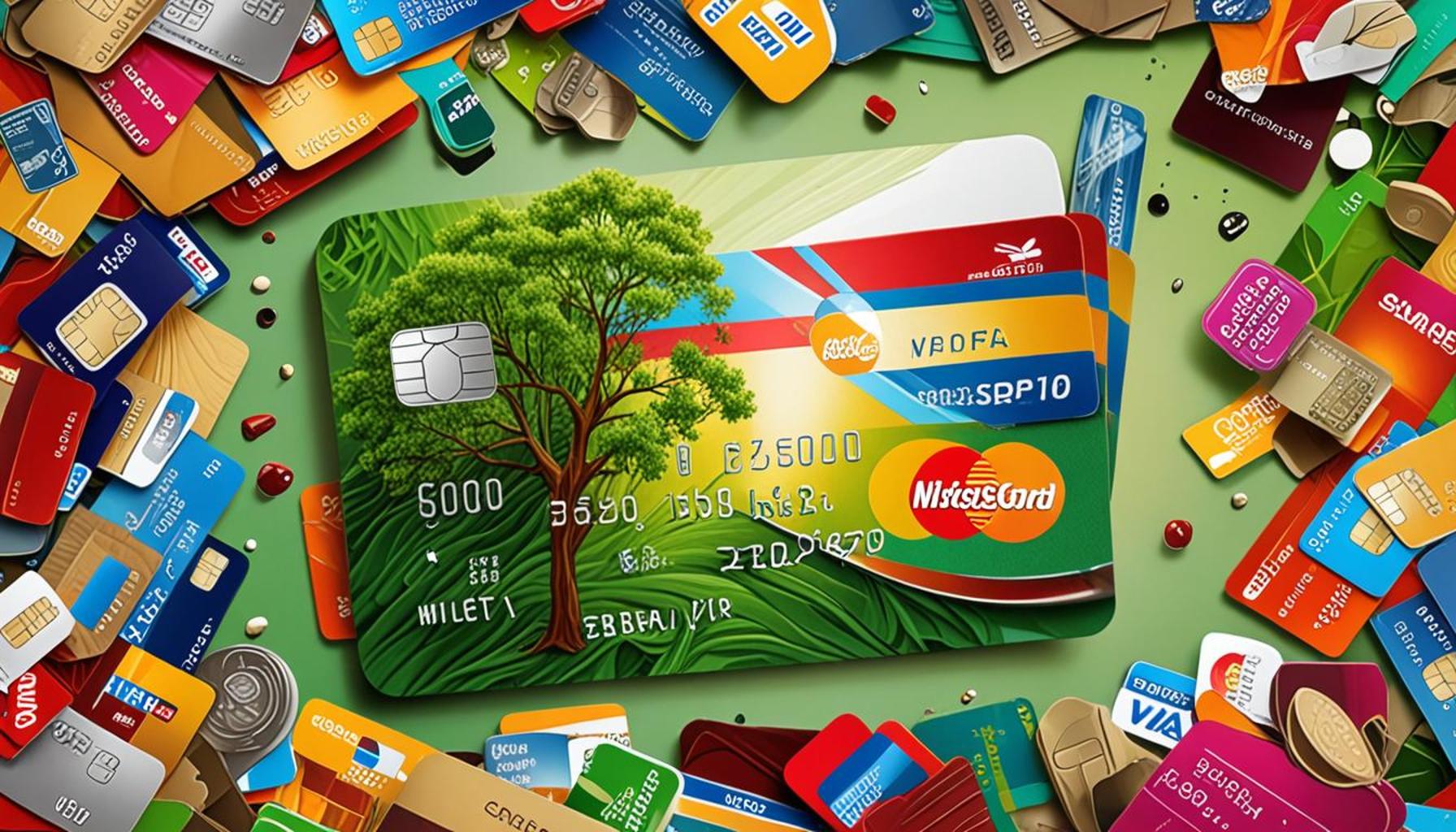
To address these pressing concerns, a growing number of financial institutions are launching eco-friendly initiatives that aim to reduce the ecological impact of credit cards significantly. For instance, one innovative approach is the introduction of biodegradable cards made from sustainable materials such as recycled paper or plant-based plastics. These cards can decompose more quickly than traditional plastic options, thereby reducing their long-term environmental impact.
Another promising initiative is the implementation of carbon offset programs. These programs allow consumers to contribute toward projects that combat climate change, such as reforestation or renewable energy. For example, some credit card companies partner with environmental organizations, enabling cardholders to invest a portion of their rewards points into offsetting the carbon emissions generated by their purchases.
Rewards for Eco-Conscious Choices
Moreover, financial institutions are beginning to offer rewards for sustainable purchases. Consumers can receive cashback or points for shopping at environmentally friendly businesses or making green purchases, such as energy-efficient appliances or organic products. This not only incentivizes responsible consumer behavior but also aligns customer spending with their values of sustainability. A prime example is a credit card that offers increased rewards rates for purchases made at eco-friendly retailers, encouraging cardholders to choose brands that prioritize the planet.
Through these innovative steps, financial institutions are not only mitigating their environmental impact but also empowering consumers to become part of the solution. By making conscious choices and supporting businesses that implement sustainable practices, cardholders can contribute to a greener future. As the synergy between credit cards and sustainability continues to evolve, it is crucial for consumers to remain informed and engaged in the choices they make, ultimately shaping a more sustainable financial landscape for all.
DIVE DEEPER: Click here to learn more about the impact of high interest rates
Understanding the Environmental Footprint of Credit Cards
The credit card industry has long been a staple of modern finance, offering convenience and flexibility to consumers in their spending habits. However, this financial convenience comes with an overlooked but significant environmental footprint. Traditional credit cards are primarily made from PVC plastic, a material that poses challenges in terms of its production and disposal. The extraction of raw materials for plastic manufacturing is energy-intensive and contributes to the depletion of finite resources, while the subsequent processing leads to the emission of harmful greenhouse gases.
Each year, billions of credit cards are produced and distributed in the United States alone. This massive scale not only emphasizes the need for sustainable alternatives but also highlights the opportunity for financial institutions to lead by example. Consider the sheer volume of plastic that enters landfills, where these cards can take up to 1,000 years to decompose. It becomes increasingly clear that addressing this issue is vital for fostering a more sustainable future.
Challenges in Card Production and Waste Management
Moreover, the production process is not the only area where credit cards impact the environment. The disposal of old, expired, or unused cards also poses challenges. Consumers often discard their cards without considering the ecological ramifications. This is where financial institutions can play a crucial role in educating cardholders about responsible disposal methods, such as recycling programs specifically designed for old cards. These initiatives help to minimize waste and give new life to the materials used in card production.
In light of these challenges, it is essential to examine the broader implications of credit card usage. Some key aspects include:
- Resource Consumption: The manufacturing of credit cards requires significant amounts of water, energy, and raw materials, raising critical sustainability questions.
- Transportation Emissions: The distribution of cards typically involves fossil fuel-dependent logistics, contributing to additional carbon emissions before the cards even reach consumers.
- Waste Accumulation: With millions of credit cards entering landfills annually, the implications for soil and water pollution cannot be overlooked.
In response to these challenges, businesses in the credit card sector are rethinking their approaches. Many are looking to innovate processes and materials that are not only efficient but also maintain a focus on sustainability. This drive not only helps to reduce negative impacts but also allows for businesses to align with the growing consumer demand for eco-friendly products.
As consumers become increasingly conscientious about their choices, the credit card industry must adapt. In turn, this emerging focus on sustainability presents both a challenge and an opportunity for financial institutions. By embracing responsible practices and designing eco-friendly products, these institutions can actively contribute to a more sustainable future while meeting consumer expectations.
DISCOVER MORE: Click here to learn about financial minimalism
Innovations in Sustainable Credit Card Practices
As awareness of environmental issues continues to rise, the credit card industry is beginning to respond with innovative practices aimed at reducing its ecological impact. Many financial institutions are exploring new materials that can significantly lessen their carbon footprint. For example, some card issuers have transitioned from conventional PVC plastic to alternative substances such as recycled plastics, biodegradable materials, and even wooden cards. These sustainable options offer the same functionality as traditional cards while drastically reducing the resources consumed during production.
A notable example is the initiative launched by various banks to issue cards made entirely from recycled materials. These cards not only decrease reliance on virgin plastics but also help to create a circular economy. Using recycled materials encourages the reduction of waste and promotes responsible consumption. Moreover, some financial institutions have recently begun to explore the integration of digital cards, which further eliminates the need for physical production altogether. With mobile payment options becoming increasingly popular, the plastic card’s relevance may diminish in place of more sustainable digital solutions.
Eco-Friendly Initiatives: Rewarding Sustainable Choices
Innovations are not limited to the physical aspects of credit cards; they also extend to customer loyalty programs. Many banks are now implementing rewards systems that incentivize sustainable behavior among consumers. For instance, some issuers provide additional points or cash back for purchases made at eco-conscious businesses or for spending related to sustainable goods and services. Such programs encourage cardholders to make choices that positively influence the environment.
The concept of “green banking” is gaining momentum, with financial institutions committing to transparent sustainability practices. Some institutions are prioritizing investments in green projects, such as renewable energy and environmental conservation efforts, funded by the profits generated from credit card transactions. This innovative approach can turn everyday spending into a powerful tool for environmental change.
Collaboration and Corporate Responsibility
Moreover, collaboration within the industry is essential for achieving significant progress in sustainability. Several organizations are working together to establish best practices and develop standardized frameworks for eco-friendly credit card production. Partnerships between banks, environmental organizations, and technology firms are fostering breakthroughs in sustainability. For example, some card issuers are joining forces with non-profits to fund tree-planting initiatives or other eco-friendly projects. These partnerships not only enhance their corporate social responsibility but also allow consumers to feel like they are part of a larger movement for change.
Additionally, the rise of social media and consumer advocacy is driving transparency in corporate sustainability efforts. Today’s consumers are more informed than ever and demand accountability from companies. Financial institutions that proactively share their sustainability goals and progress build trust with their customers and elevate their brand image. Many banks are now publishing annual sustainability reports or updates, showcasing their commitment to environmental stewardship and the steps taken to minimize their ecological footprint.
In conclusion, the credit card industry stands at a crossroads where it can redefine its environmental impact through innovative materials, reward systems encouraging sustainable choices, and collaborative efforts among stakeholders. As we move towards an increasingly sustainable economy, financial institutions have a unique opportunity to shape a future in which credit cards not only offer convenience but also contribute positively to the planet.
DISCOVER MORE: Click here to learn how to apply
Moving Towards a Sustainable Financial Future
In an era where sustainability is at the forefront of global conversation, the credit card industry is making significant strides towards reducing its environmental impact. Through innovative solutions such as recycled materials, digital cards, and incentivized eco-friendly spending, financial institutions are actively transforming the way we perceive and use credit. These practices not only address immediate ecological concerns but also lay the groundwork for a more sustainable future.
Moreover, the collaboration among banks, tech companies, and environmental organizations is pivotal for amplifying the efficacy of these initiatives. These partnerships are not just about corporate responsibility; they are about fostering a community of conscious consumers and empowering them to make sustainable choices. With accessible information and growing public interest in sustainability, credit card companies can harness the power of consumer advocacy to drive a positive impact.
As we navigate this evolving financial landscape, it becomes increasingly clear that credit cards can serve a dual purpose: facilitating convenient transactions while championing ecological stewardship. By embracing eco-friendly initiatives and maintaining transparency, the credit card industry is positioned to transform everyday spending into a force for good. As cardholders, we too have the power to influence this change; every decision we make holds the potential to contribute to a healthier planet. Together, we can foster an environment where our financial practices align with our commitment to sustainability.

Linda Carter
Linda Carter is a writer and financial consultant specializing in economics, personal finance, and investment strategies. With years of experience helping individuals and businesses make complex financial decisions, Linda provides practical analyses and guidance on the Viajante Curioso platform. Her goal is to empower readers with the knowledge needed to achieve financial success.